Skip to Main Content
State Emblem of India महाराष्ट्र शासनGovernment of Maharashtraनाशिक जिल्हा · Nashik District
Nashik–Trimbakeshwar Simhastha Mahakumbh MelaSeal of the Government of Maharashtra
LIVE ADVISORIES
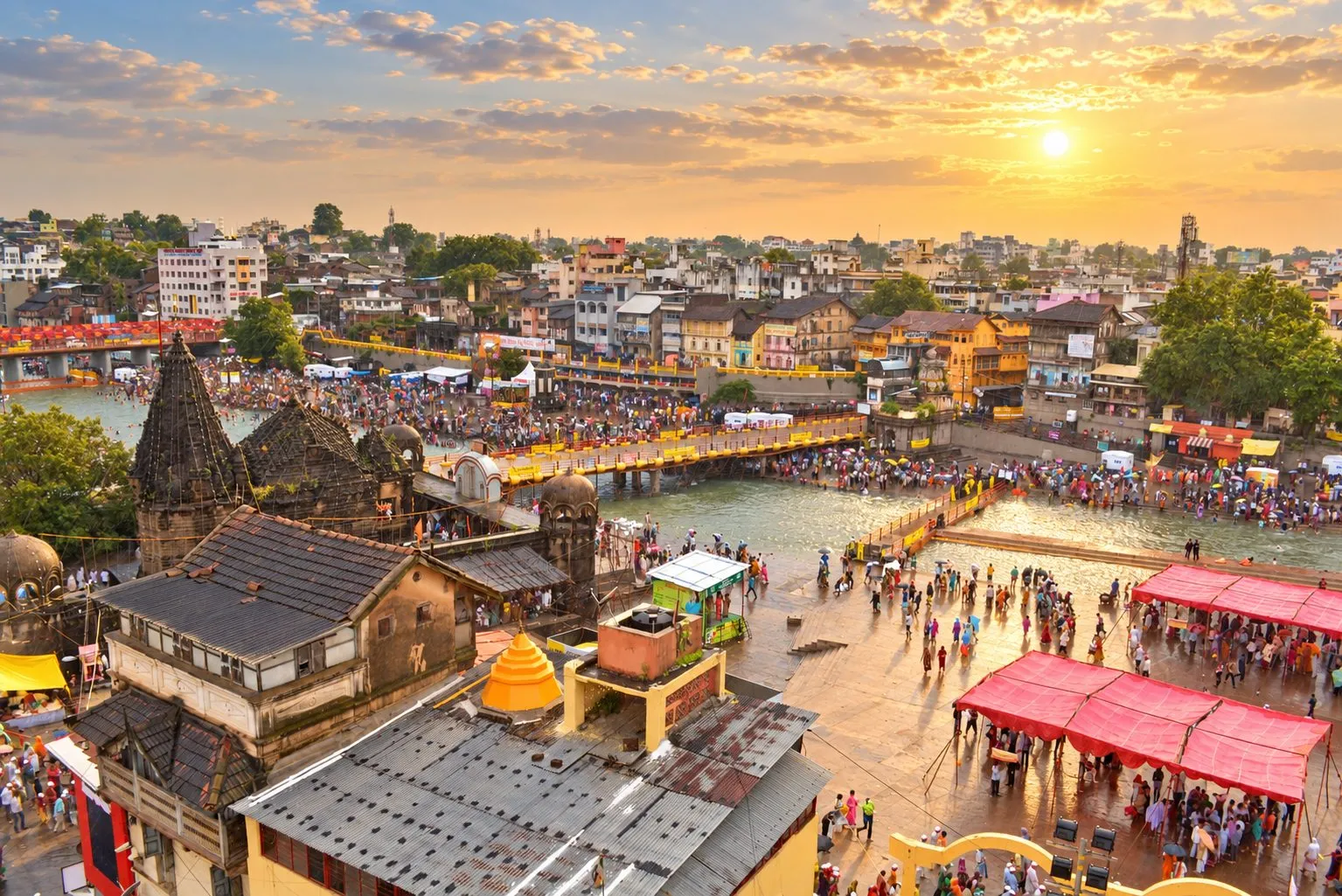
Aerial view of Ramtirth on the Godavari at sunset

About Simhastha Mahakumbh 2027

What is the Simhastha Kumbh Mela?

Meaning of the word

The Sanskrit word "kumbh" means a pitcher, a kalash or an earthen pot. The kalash filled with water that we set up at a puja at home, at a housewarming or at a wedding is also called a kumbh. In Indian tradition the kalash is a symbol of prosperity, of completeness and of life. It holds water, it holds leaves and a coconut sits on top; in other words, a small model of the universe itself is considered to be within it. "Mela" means a gathering, a meeting, coming together. In reality, behind it lies the story of a kalash filled with amrit.

Here we will also find the word "Simhastha" again and again. At Nashik-Trimbakeshwar and Ujjain this mela is held when the planet Jupiter (Brihaspati) is in Leo, and so it has come to be named Simhastha. In Maharashtra many people use the words "Kumbh Mela" and "Simhastha" in the same sense. Viewed technically, Kumbh is the all-encompassing name and Simhastha is the local, astrology-based name given to the Kumbh of Nashik-Trimbakeshwar.

Maha Kumbh Information Hub

Everything a pilgrim needs before, during and after the Simhastha — gathered in one place.

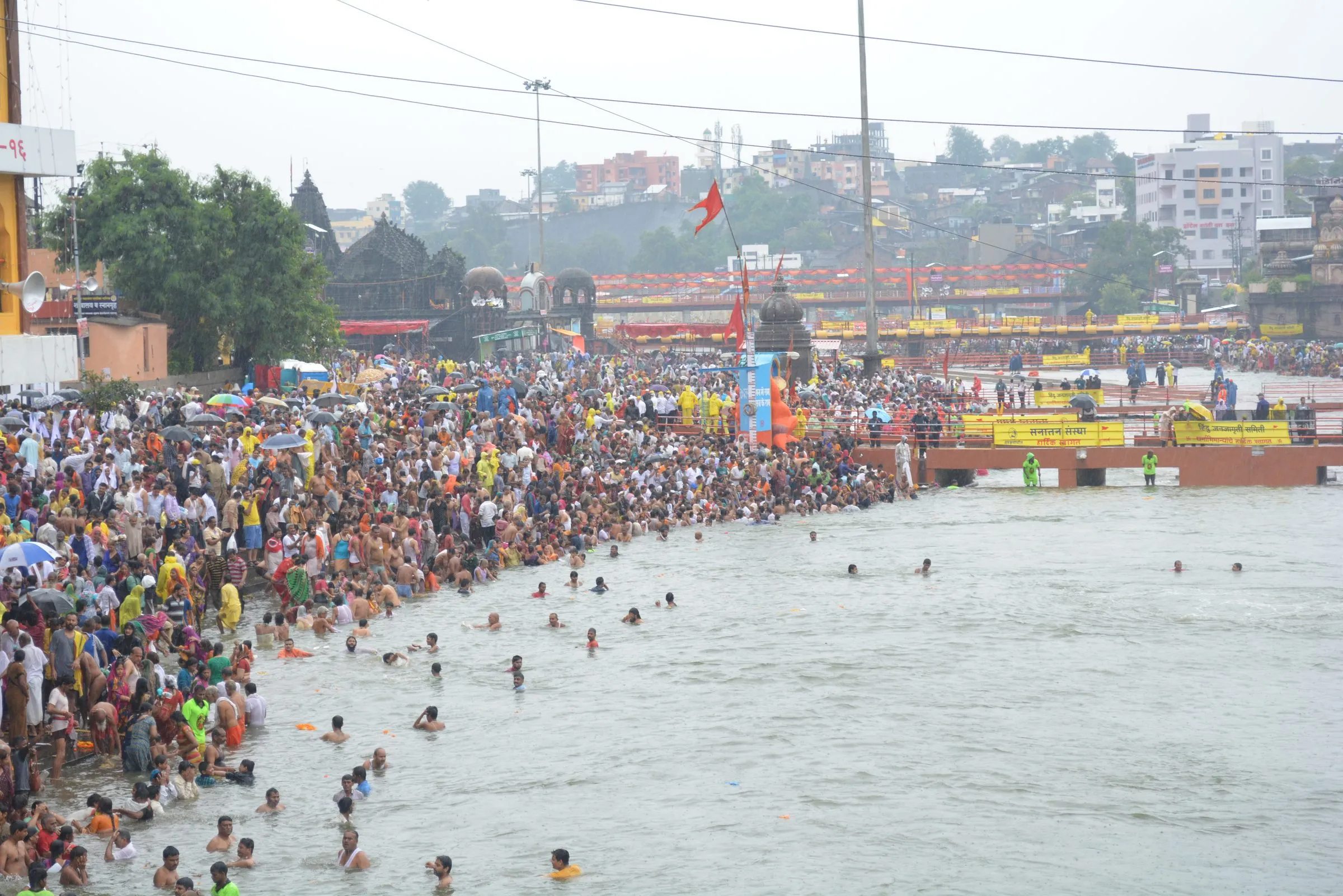
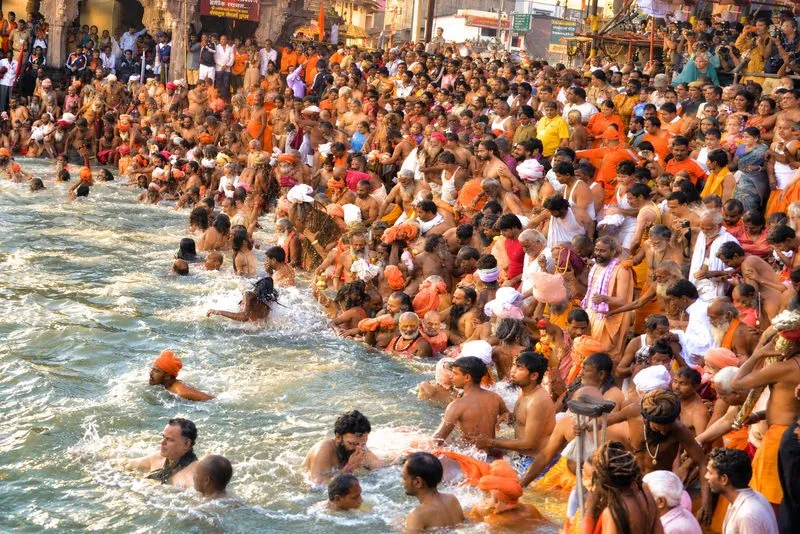
Pilgrims taking the holy dip in the Godavari

Snan Dates & Muhurats

Amrut Snan and Parvani dates, with the bathing windows for every ghat.

Explore Snan dates

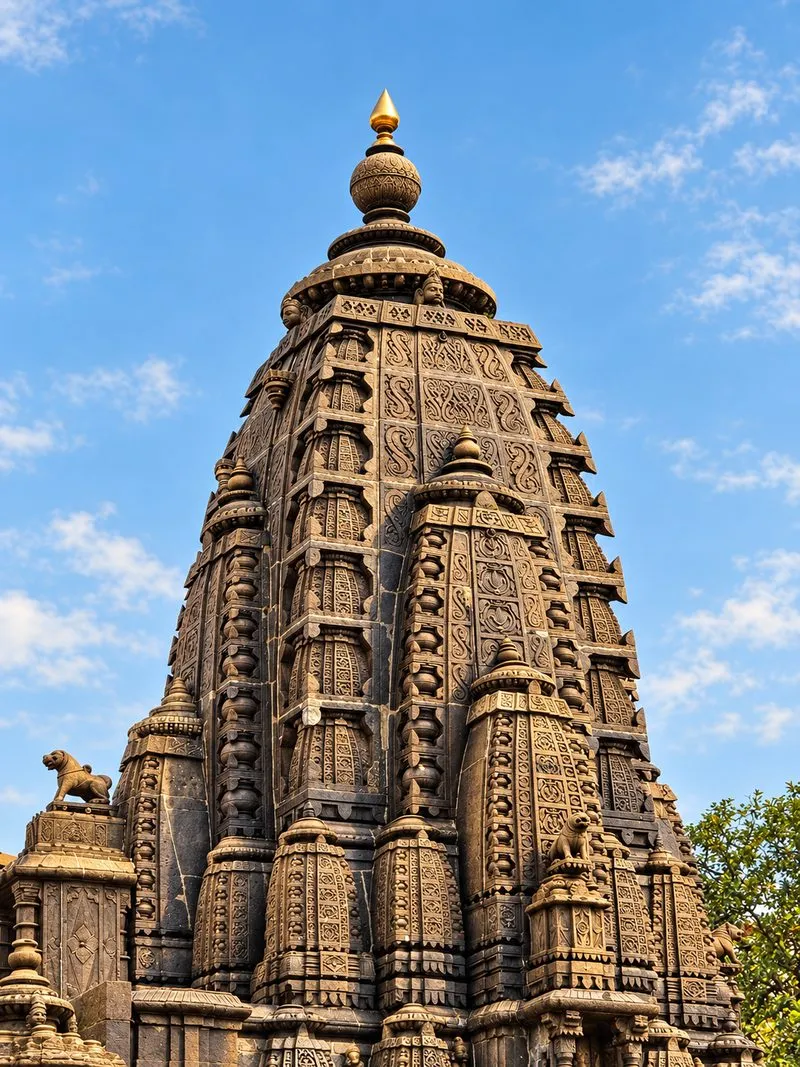
Carved stone temple shikhara

Akhadas & Processions

The 13 akhadas and the order of the Shahi procession.

Explore Akhadas

Nashik Municipal Corporation dispensary tent

Facilities Near Me

Find toilets, medical help, police assistance, food, drinking water and other essential facilities near you.

Find Nearby
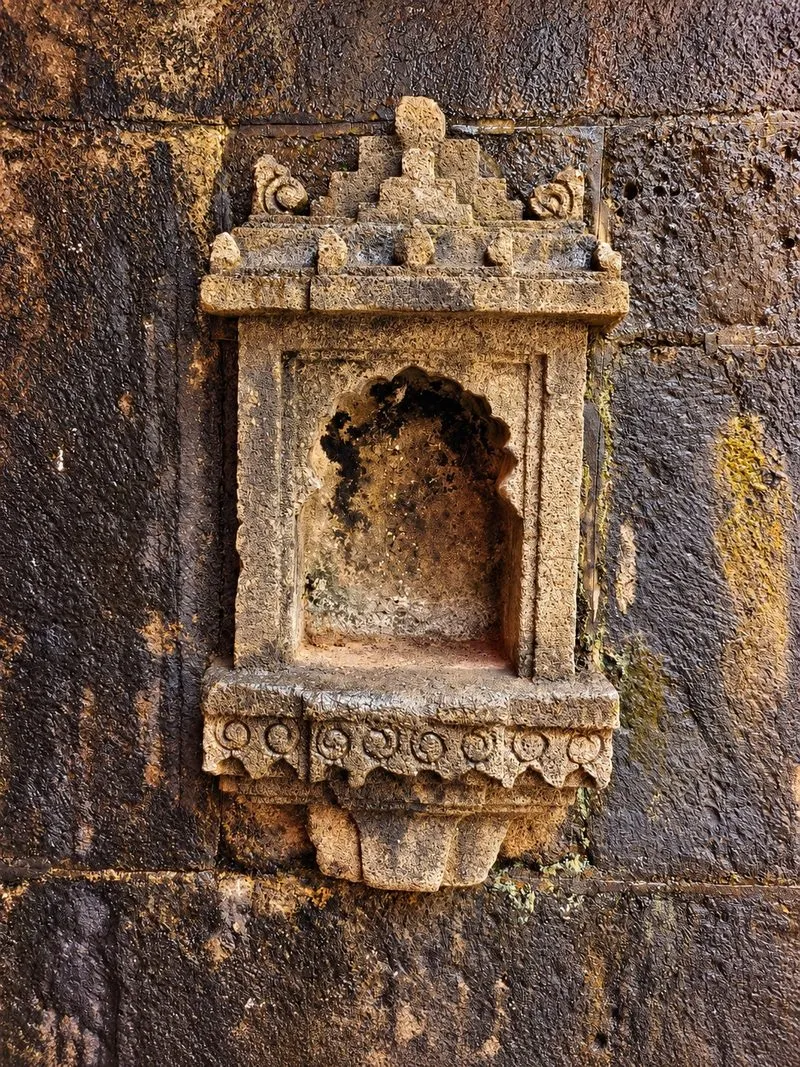
Ancient carved stone niche on a temple wall

Temples & Sacred Places

Explore Ramtirth, Trimbakeshwar, Panchavati and other sacred sites connected to the Kumbh Mela.

Explore sacred sites

The Story of the Samudra Manthan

Behind every great tradition there stands a story. Rules alone are not enough for people; they want an emotional answer to the question "Why is this so?" In the case of the Kumbh Mela, that answer is found in the story of the Samudra Manthan.

Read More
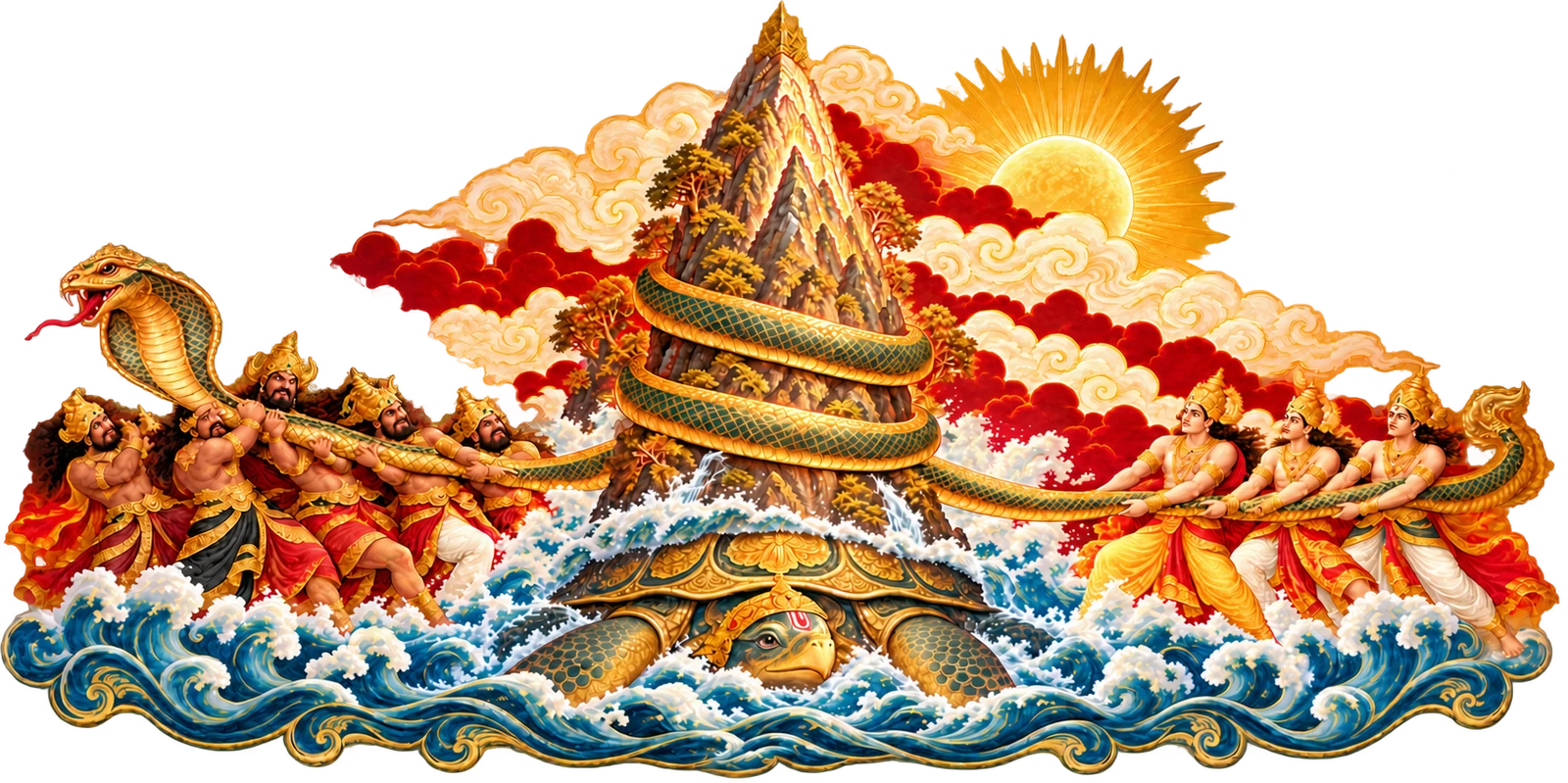
Illustration of the Samudra Manthan: Devas and Asuras churning the cosmic ocean

Nashik-Trimbakeshwar Simhastha Mela: A Distinct Voice

Among the four Kumbh sites, Nashik-Trimbakeshwar has some special features. Here, bathing takes place at two locations: Ramtirth in the Panchavati area of Nashik city and Kushavarta Tirth in Trimbakeshwar, about thirty kilometres away. By tradition, Shaiva sadhus bathe at Trimbakeshwar and Vaishnava sadhus bathe at Ramtirth in Nashik.

Nashik

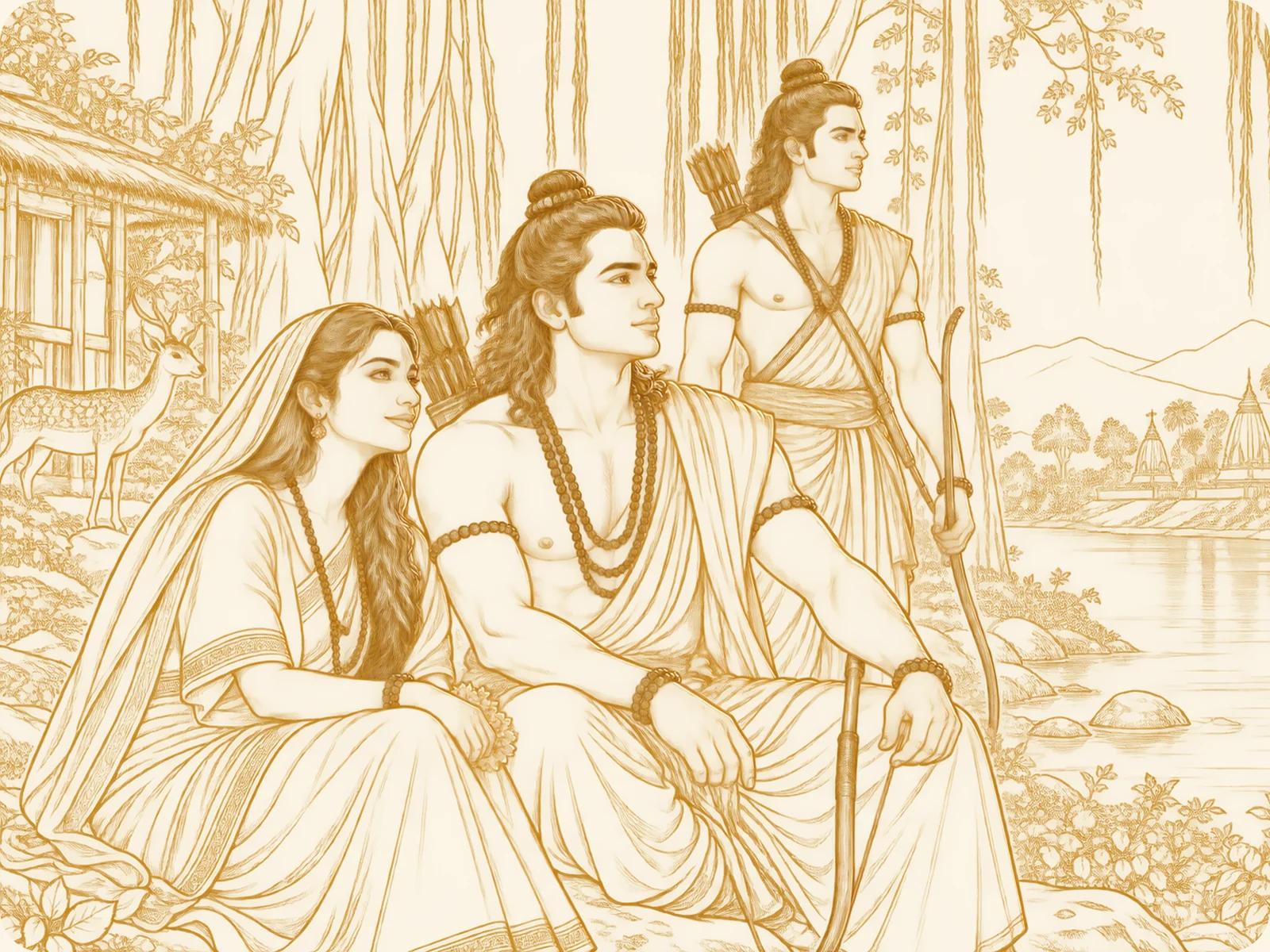
Nashik is a place linked with the Ramayana. During the forest exile, Shri Ram, Sita and Lakshman stayed at Panchavati on the banks of the Godavari.

Trimbakeshwar

Trimbakeshwar is a place famous for two reasons. One is the Shiva temple here, which is considered one of the twelve jyotirlingas. The other is the source of the Godavari.
The Spiritual Significance of the Bath


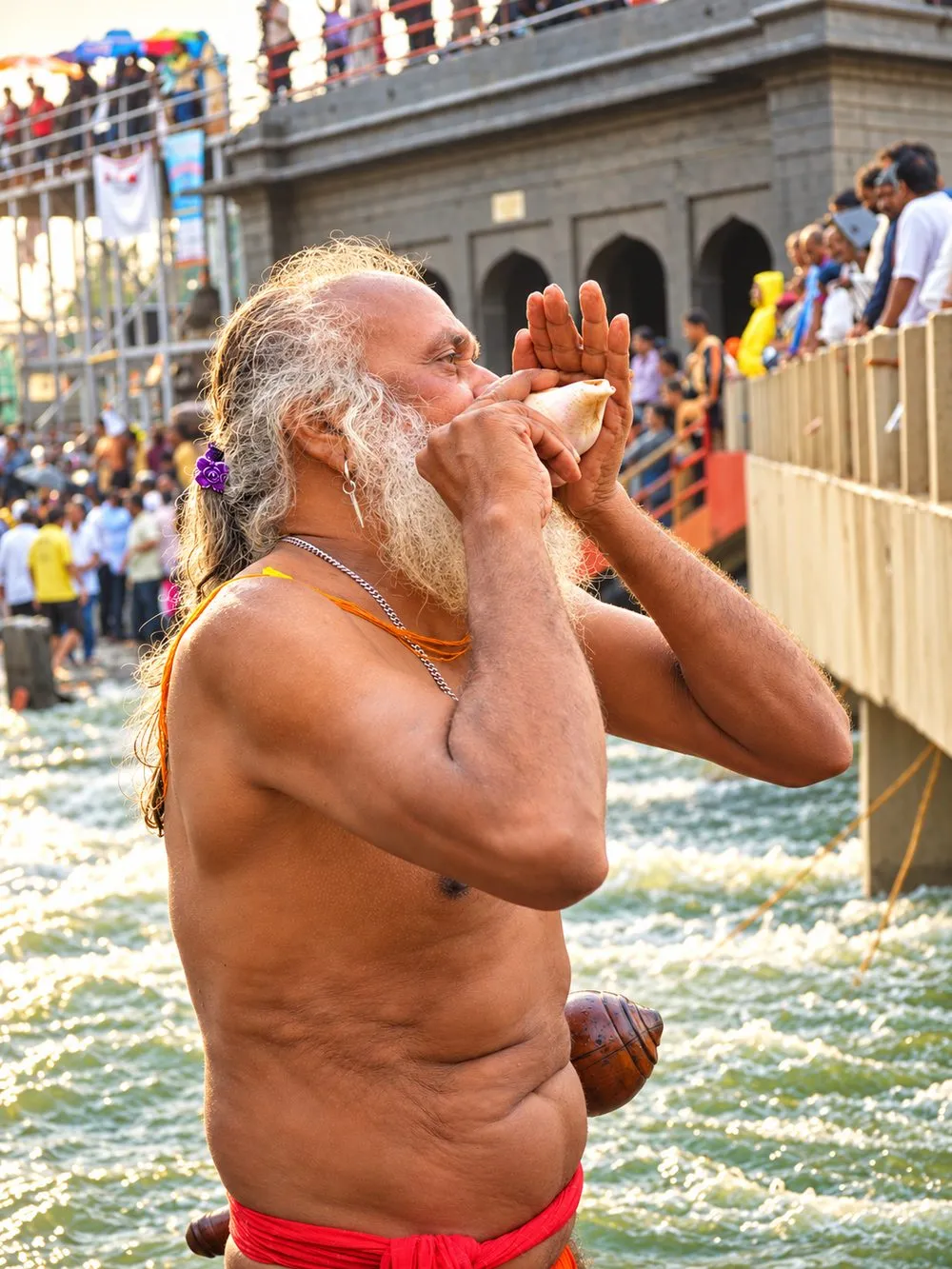
All the preparations, all the calculations and all the processions of the Kumbh Mela ultimately lead to one small act: a person steps into the river, takes water in his hands, calms his mind for a few moments and bathes. To someone watching from outside, this may seem simple. We bathe every day anyway, so why is this bath in the river different? Finding the answer to this question means understanding the place of water in Indian spirituality.

Read More
A sadhu blowing a conch on the banks of the Godavari

Simhastha: The Astrological Basis

The Kumbh Mela at Nashik and Ujjain is called "Simhastha". This word is made up of two parts: "Simha" and "stha". Simha means the zodiac sign Leo, and stha means that which is situated. When the planet Jupiter (Brihaspati) is situated in Leo, that period is Simhastha. The name itself tells us plainly that the timing of this mela is not decided by the calendar; it is decided by the position of a planet in the sky.

Read More
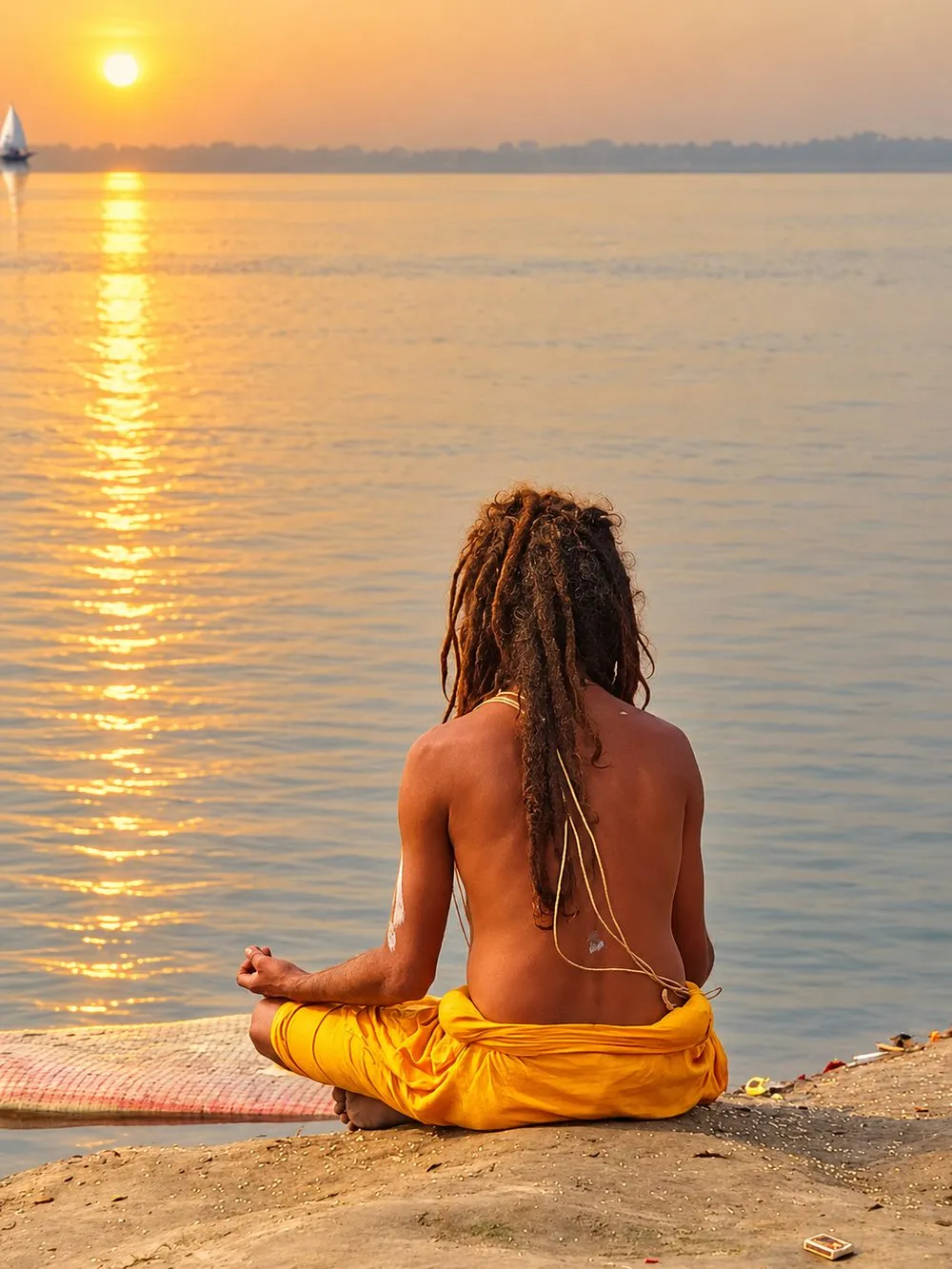
A sadhu meditating on the riverbank at sunrise

Comparing the Four Kumbh Sites

We now know that the Kumbh Mela is held at four places: Haridwar, Prayagraj, Ujjain and Nashik-Trimbakeshwar. But if all four of these melas are viewed through the same lens, their distinctiveness is lost.

  • Prayagraj

    River: Ganga-Yamuna-Saraswati

  • Haridwar

    River: Ganga

  • Ujjain

    River: Kshipra

  • Nashik-Trimbakeshwar

    River: Godavari

Trimbakeshwar Jyotirlinga


In the Indian Shaiva tradition, Shiva is worshipped in many forms, but the most revered form among them is the jyotirlinga. "Jyoti" means light and "linga" means symbol, sign. A jyotirlinga is the symbol of Shiva in the form of light. The Shiva Purana mentions twelve jyotirlingas, and their names have been linked to sacred places in different parts of India.

Read More
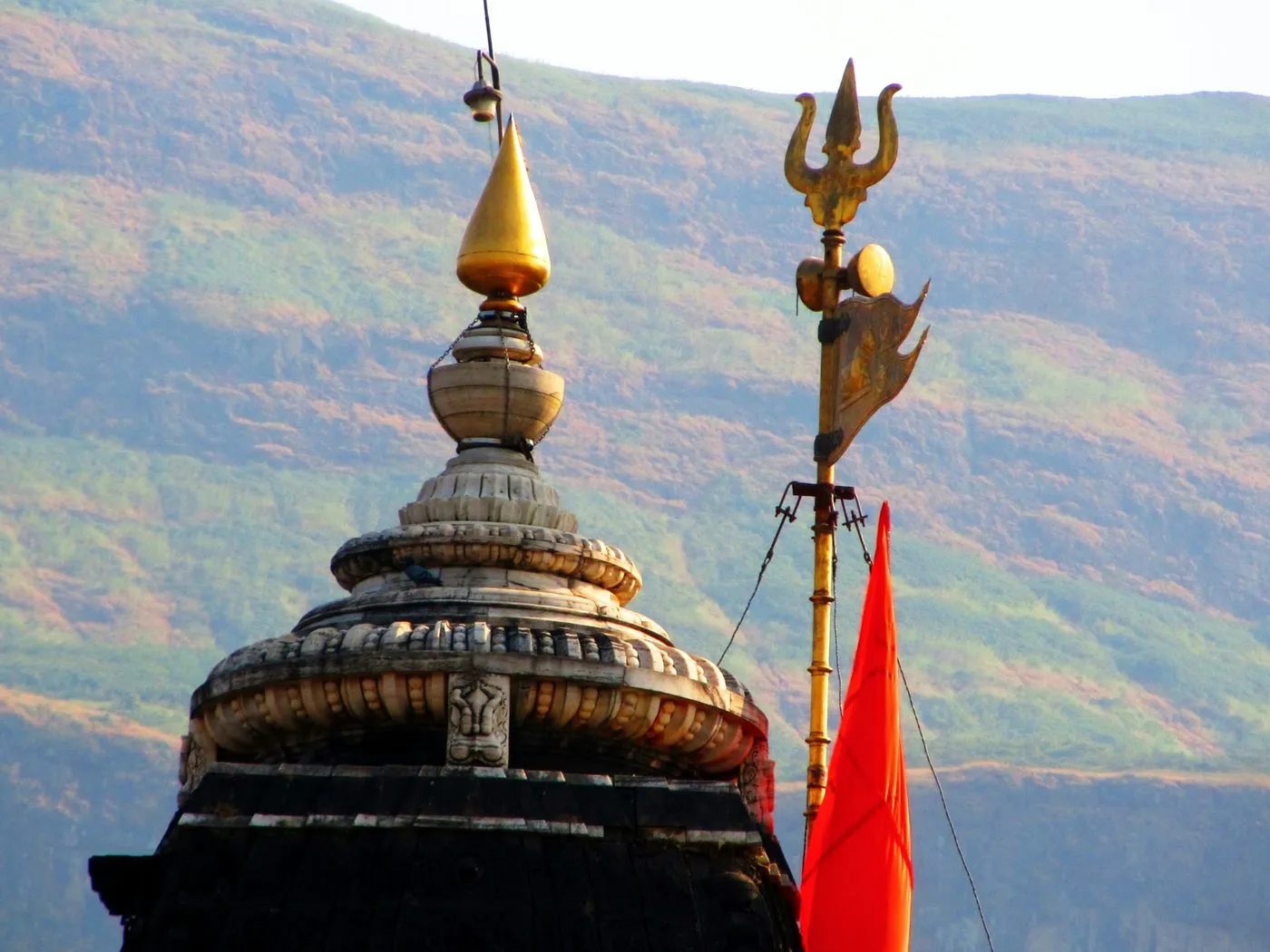
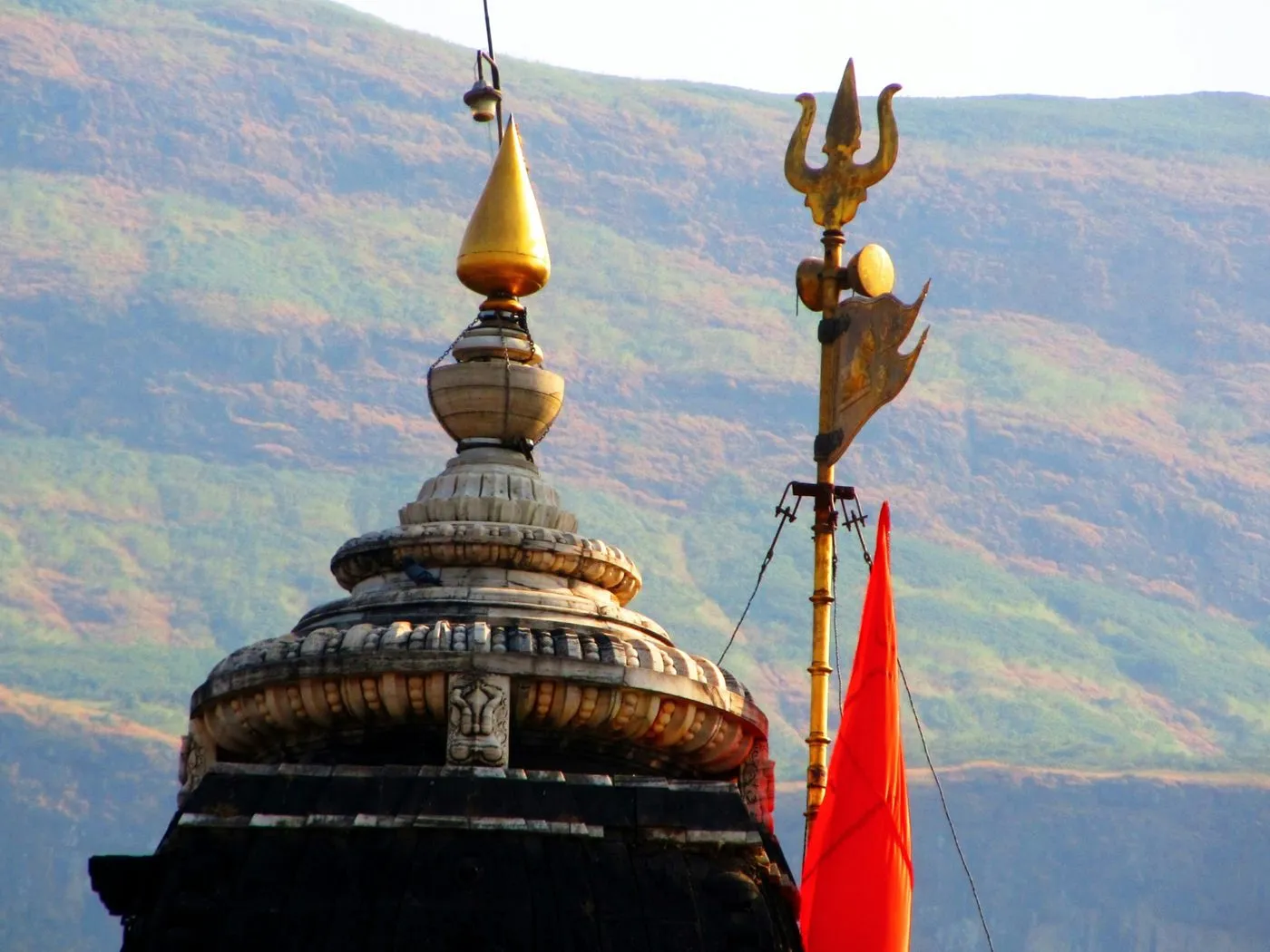
Trimbakeshwar temple shikhara with gold kalash, trishul and saffron flag

Panchavati and Its Bond with the Ramayana


It is described in the Aranyakanda of the Ramayana that after thirteen years of exile in the forest were complete, Ram, Sita and Lakshman, on the advice of Sage Agastya, came to stay at a place called Panchavati on the banks of the Godavari. Here they built a hut of leaves. The popular etymology is that Panchavati means a cluster of five banyan trees.

Read More
Illustration of Rama, Sita and Lakshmana beneath banyan trees by the Godavari

Kumbh and Kalpavas


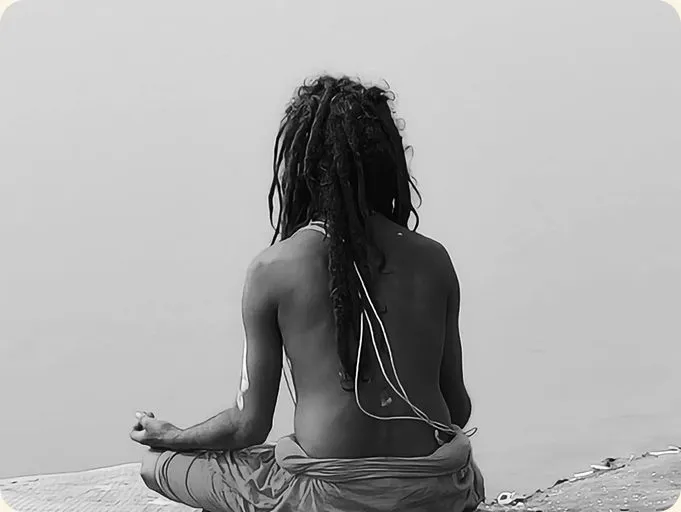
Another old tradition connected with the Kumbh is kalpavas. Kalpavas means staying on the riverbank during the period of the Mela and living simply, bathing a fixed number of times a day, eating only one meal a day, practising japa and meditation and performing acts of charity. This practice is especially famous at the Magh Mela of Prayagraj. In Nashik too, some devotees and sadhus take a vow to live on the banks of the Goda for the entire parvakal.

Read More
A sadhu seated in meditation by the river

Godavari: The Ganga of the South


It is on riverbanks that civilisations are born; this is the first lesson of history. Ancient civilisations flourished on the banks of the Indus, the Ganga, the Nile and the Tigris. On the Deccan plateau, this same credit goes to the Godavari. In its valley the first experiments in agriculture took place, trade routes developed, temples were built, saints composed abhangs and kings founded capitals. In the story of the Kumbh Mela, the river is not merely the backdrop but the main character.

Read More
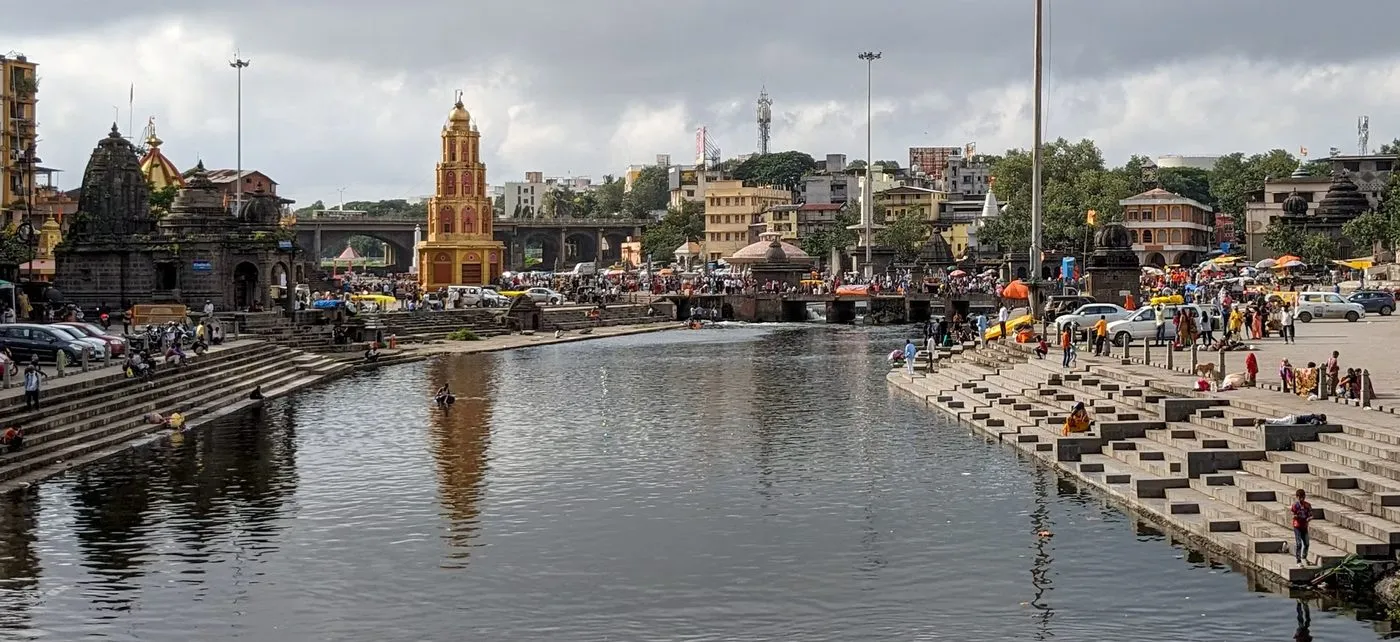
Ramtirth and the Godavari ghats at Panchavati, Nashik, under a monsoon sky

Historical Photograph Archive

Black-and-white photograph of the Trimbakeshwar temple, its spire and roofs, with the Nandi pavilion on the right, in a stone-paved courtyard
General view of the Trimbakeshwar temple, 1921–22
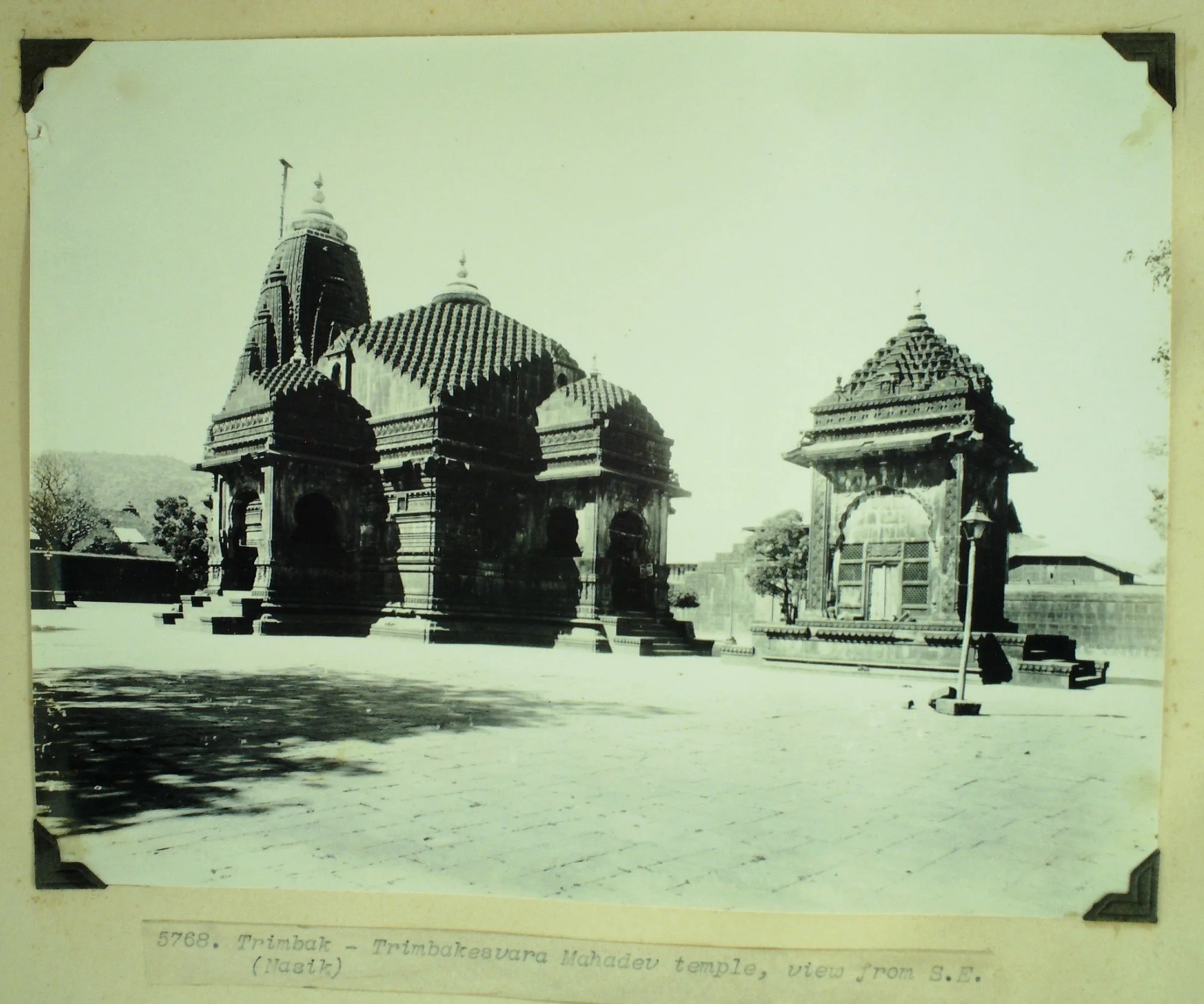
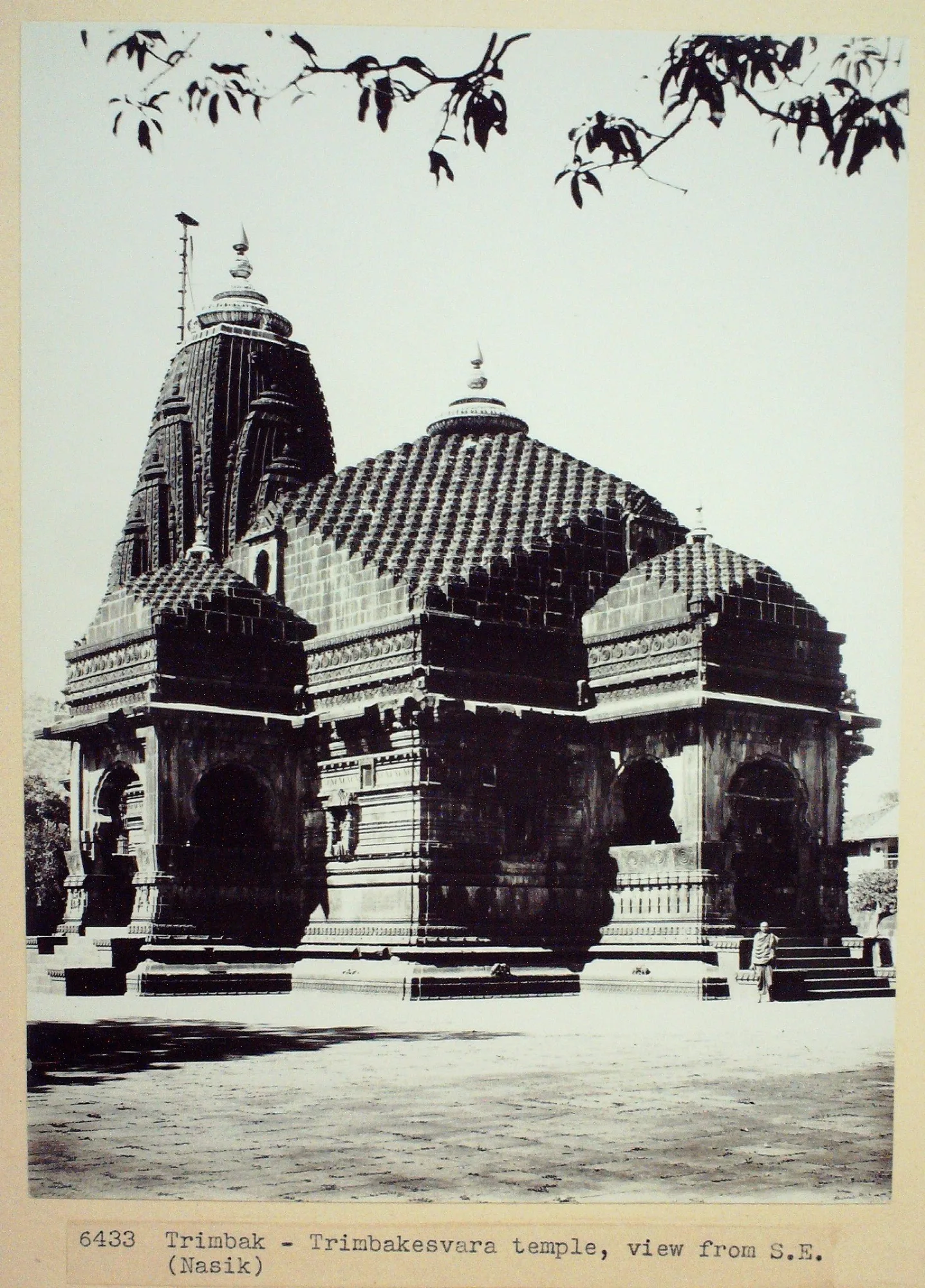
Black-and-white photograph of the Trimbakeshwar temple seen from the south-east: the carved spire above the sanctum and the roofed halls in front
General view of the garbhagriha and mandapa, Trimbakeshwar temple, 1924–25
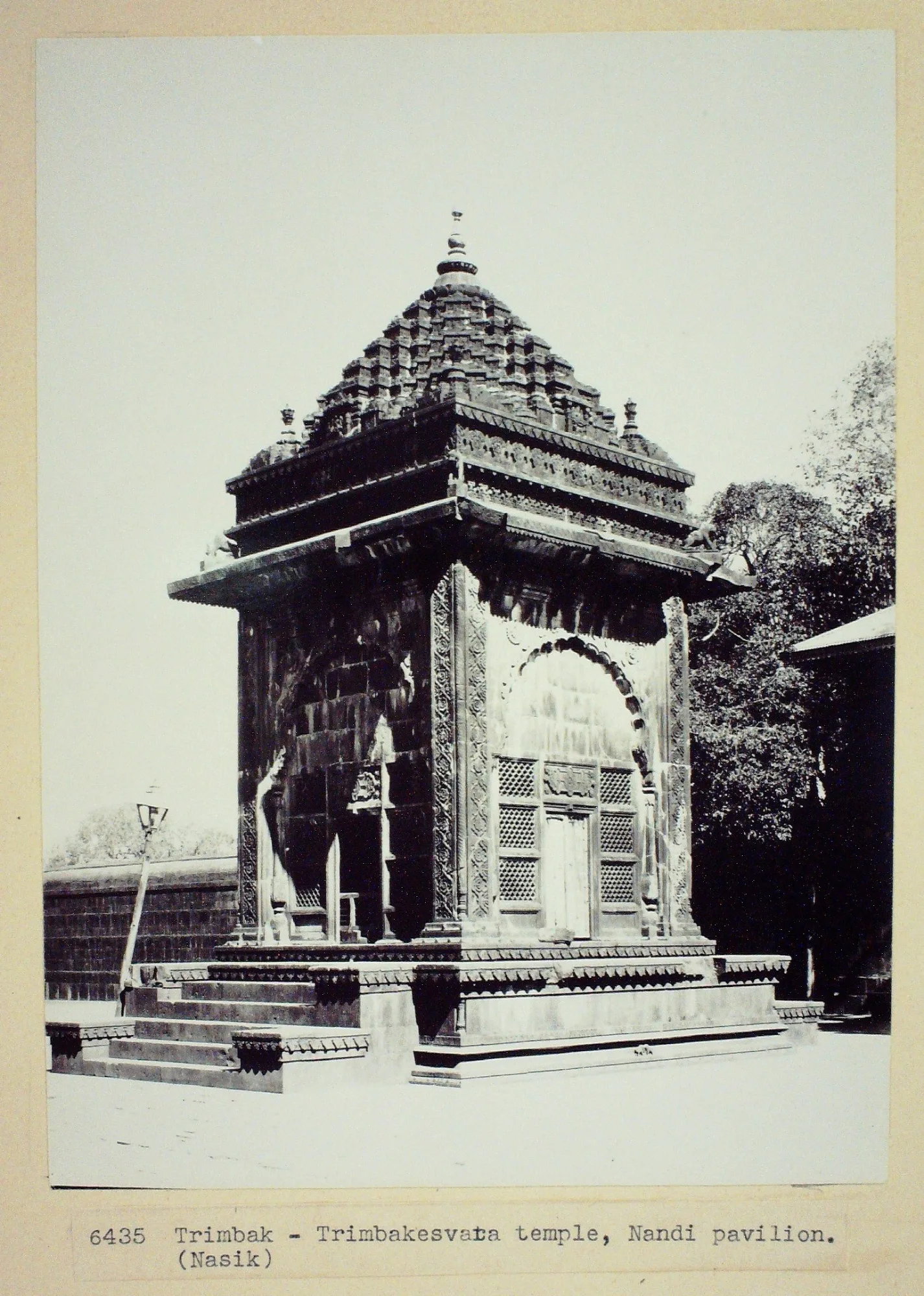
Black-and-white photograph of the carved stone Nandi pavilion of the Trimbakeshwar temple, with a lattice door under a pointed roof
General view of the Nandi mandapa, Trimbakeshwar temple, 1924–25